Mitch McConnell’s Final Act: A Legacy of Power, Conflict, and the Future of the GOP
- 25 Jan, 2025
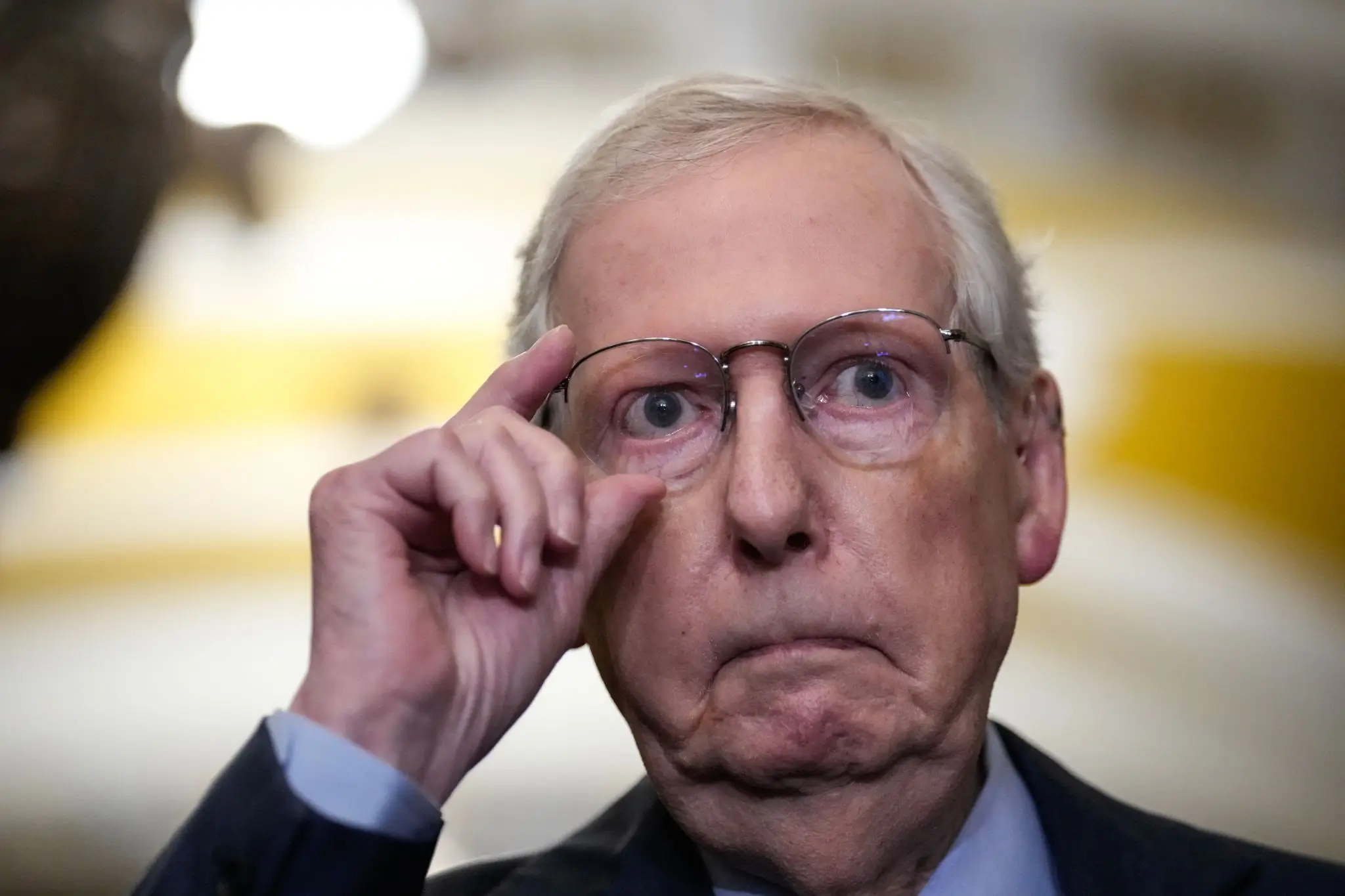
As Senator Mitch McConnell steps down from his 18-year reign as Senate Republican leader in January 2025, his departure marks a pivotal moment in U.S. politics. From shaping judicial appointments to clashing with Donald Trump, McConnell’s career encapsulates the tensions within the modern Republican Party. Here’s an analysis of his legacy, his post-leadership role, and the ideological battle he leaves behind.
The Architect of Republican Power
A Tenure Defined by Strategic Control
McConnell’s leadership (2007–2025) transformed the Senate into a fortress of conservative priorities. He engineered the confirmation of over 200 federal judges, including three Supreme Court justices, cementing a right-leaning judiciary for decades:cite[1]. His ruthless blocking of Democratic initiatives—from Merrick Garland’s Supreme Court nomination in 2016 to parts of the Affordable Care Act—earned him the nickname “Grim Reaper of Bipartisanship”:cite[1].
Foreign Policy: A Last Stand Against Isolationism
In his final weeks as leader, McConnell published a Foreign Affairs essay directly challenging Trump’s isolationist leanings. He urged bolstering U.S. military strength and maintaining support for Ukraine, warning that “a Russian victory would embolden China, Iran, and North Korea”:cite[2]. This stance aligns with his 2024 push to pass Ukraine aid despite opposition from Trump allies like JD Vance:cite[2].
Yet McConnell’s relationship with Trump remains fraught. While praising Trump’s earlier support for lethal aid to Ukraine, he criticized the former president’s “erratic” treatment of NATO and “reckless” courtship of Putin:cite[2]. Their three-year silence after January 6, 2021, underscores this tension:cite[2].
The Trump-McConnell Rift: A Party Divided
Leadership Succession as a Loyalty Test
The November 2024 Senate GOP leadership race exposed deepening fissures. Trump’s MAGA allies, including Elon Musk and Steve Bannon, rallied behind Florida Senator Rick Scott, branding him the “pro-Trump” candidate. Scott pledged to align the Senate agenda “identically” with Trump’s demands, including bypassing Senate votes for cabinet confirmations:cite[3].
McConnell’s protégés, John Thune and John Cornyn, faced scrutiny for past criticisms of Trump. Thune condemned Trump’s “inexcusable” role in the January 6 insurrection, while Cornyn rebuked his “reckless speech”:cite[3]. Both ultimately capitulated to Trump’s demands to fast-track nominations, signaling the party’s enduring loyalty to Trumpism:cite[3].
McConnell’s Calculated Retreat
Now freed from leadership duties, McConnell will chair the Senate Appropriations Subcommittee on Defense, where he aims to advocate for military expansion against “adversaries like Russia and China”:cite[1]. However, experts doubt his capacity to resist Trump’s agenda, citing his age (82) and health struggles:cite[1]. Harvard political scientist Daniel Ziblatt notes: “His physical frailty makes sustained opposition unlikely”:cite[1].
Legacy and Lingering Questions
The Globalist vs. Isolationist Divide
McConnell’s essay frames his final mission: preserving America’s role as a global leader. He warns Trump against prioritizing Asia over Europe, arguing that U.S. retreat would allow enemies to “fill the void”:cite[2]. This clashes with Trump’s calls to end “forever wars” and reduce NATO commitments:cite[2].
The Future of GOP Governance
McConnell’s departure leaves a vacuum. While Thune or Cornyn may retain institutional pragmatism, Scott’s rise would cement Trump’s grip on the Senate. McConnell’s legacy—a blend of institutionalism and partisan warfare—now faces a party increasingly defined by loyalty tests and populist fervor.
Conclusion: A Transition, Not an Exit
Mitch McConnell’s career mirrors the Republican Party’s evolution from establishment conservatism to Trump-dominated populism. As he shifts to shaping defense policy, his warnings against isolationism and institutional decay may prove prophetic—or relics of a bygone era. The 2025 Senate, poised between Thune’s pragmatism and Scott’s Trumpism, will determine whether McConnell’s vision endures or fades into history.
For further reading, see McConnell’s Foreign Affairs essay and analysis of the GOP leadership race here.